Spring Plumbing Checklist: Prep Your Dallas Fort Worth, TX Home
To prepare your Dallas, Rockwall, Rowlett, Rowlette, TX plumbing for spring, you must inspect
outdoor spigots for freeze damage, flush your water heater to remove hard water sediment, and
ensure your gutters direct water far away from your foundation. Because Rowlett sits on
expansive black clay soil, managing spring moisture is the most critical step to prevent the soil
shifts that lead to costly slab leaks and broken sewer lines.
Why Does Rowlett Soil Threaten Your Plumbing?
The soil in Rowlett and surrounding Dallas County is primarily black gumbo clay, which acts
like a sponge. During a wet North Texas spring, this soil expands significantly, and during dry
spells, it shrinks and cracks. This constant movement put immense physical stress on the pipes
buried beneath your home. If your plumbing isn’t prepared for this seasonal shift, the pressure
can snap PVC connections or cause older cast iron pipes to collapse.
Homeowners often notice that doors stick or cracks appear in drywall during the spring. These
are red flags that the ground is moving, and your plumbing is likely moving with it. By following a
dedicated checklist, you can mitigate these risks. Ensuring that your yard is graded properly to
move water away from the house is not just a landscaping task; it is a vital part of plumbing
maintenance in this region.
Checking Outdoor Faucets for Hidden Freeze Damage
You can check your outdoor faucets for winter damage by turning the water on and attempting
to block the flow with your thumb. If the water pressure is easily stopped or if you hear water
spraying inside your walls, you have a split pipe. Even if we had a mild winter in Rowlett, a
single night of sub-freezing temperatures can expand water inside a hose bib, creating a hairline
fracture that only leaks once you turn the valve handle in the spring.
It is common for residents to overlook these leaks because the water often runs down the inside
of the brick veneer or into the crawlspace. By the time you see a puddle inside your home, the
water may have been running for hours. Always disconnect your hoses before testing and look
for any dripping from the vacuum breaker—the small circular cap on top of the faucet. Replacing
these small parts now prevents a massive emergency call-out during the first heavy gardening
weekend of the year.
Why Your Water Heater Needs a Spring Flush
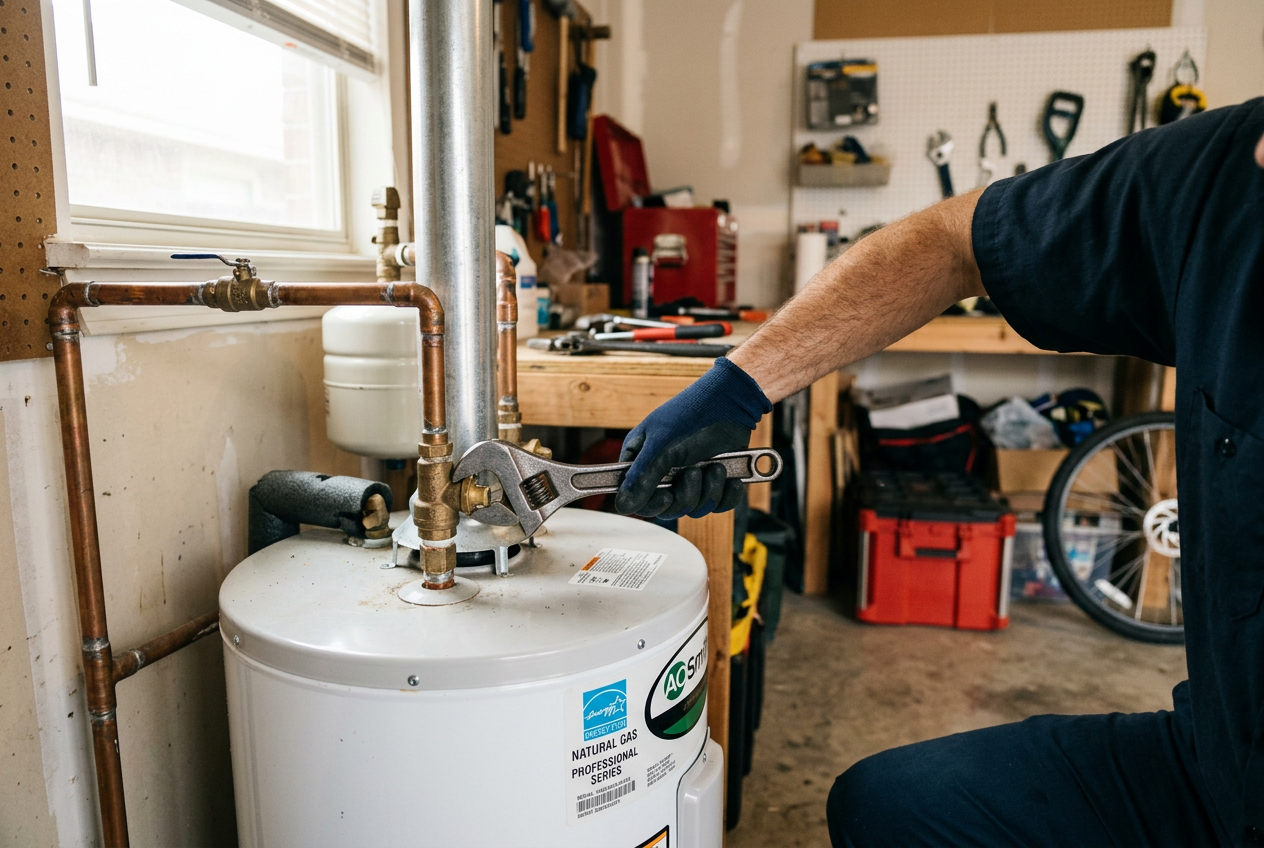
Flushing your water heater every spring removes the scale and mineral buildup that
accumulates at the bottom of the tank, ensuring the unit runs efficiently during the high-demand
summer months. Rowlett’s water contains minerals that, when heated, settle as a hard crust.
This crust creates an insulating layer that forces your water heater to run longer and hotter to
reach the desired temperature, which eventually cracks the internal glass lining of the tank.
If you hear a knocking sound when the heater is running, that is the sound of water trapped
under the sediment layer turning into steam bubbles. This is a clear sign that your unit is
struggling. A spring flush involves draining a few gallons of water (or the whole tank) to clear
these deposits. This simple maintenance task can extend the life of a standard tank by five to
seven years and lower your monthly gas or electric bill.
The Critical Importance of HVAC Condensate Lines
Every spring, you must clear your HVAC condensate drain line with a cup of vinegar to prevent
indoor flooding as the Rowlett humidity rises. Your air conditioner doesn’t just cool the air; it
removes moisture. This moisture collects in a pan and flows through a small PVC pipe. During
the winter, dust and spider webs often clog these lines. When the AC starts running full-tilt in
May, that water backs up and can destroy your ceiling or floor.
Many Rowlett homes have a secondary drain line that exits through the soffit above a window.
If you ever see water dripping from that pipe, it is an emergency signal. It means your primary
line is fully blocked, and the backup system is the only thing preventing a flood in your attic.
Cleaning the line now with a shop vac or a vinegar flush is a five-minute job that saves you from
a thousand-dollar insurance claim.
Detecting Slab Leaks in the Blackland Prairie
To check for a slab leak in Rowlett, turn off all water-using appliances and watch your water
meter for any movement. Because of our expansive clay soil, pipes under the concrete floor are
prone to shearing as the house settles unevenly. Early detection is vital because a slab leak can
wash away the dirt supporting your home, leading to foundation failure.
Keep an eye out for hot spots on your floor, especially on tile or laminate. If one area of the floor
feels warm to your bare feet, it usually indicates a hot water line has broken under the slab. You
should also watch for unexplained dampness in the middle of a room or a sudden drop in water
pressure. Since Saving Grace Plumbing serves the Rowlett area, we have specialized
equipment to pinpoint these leaks without tearing up your entire floor.
Why Sewer Cleanouts Need a Spring Inspection
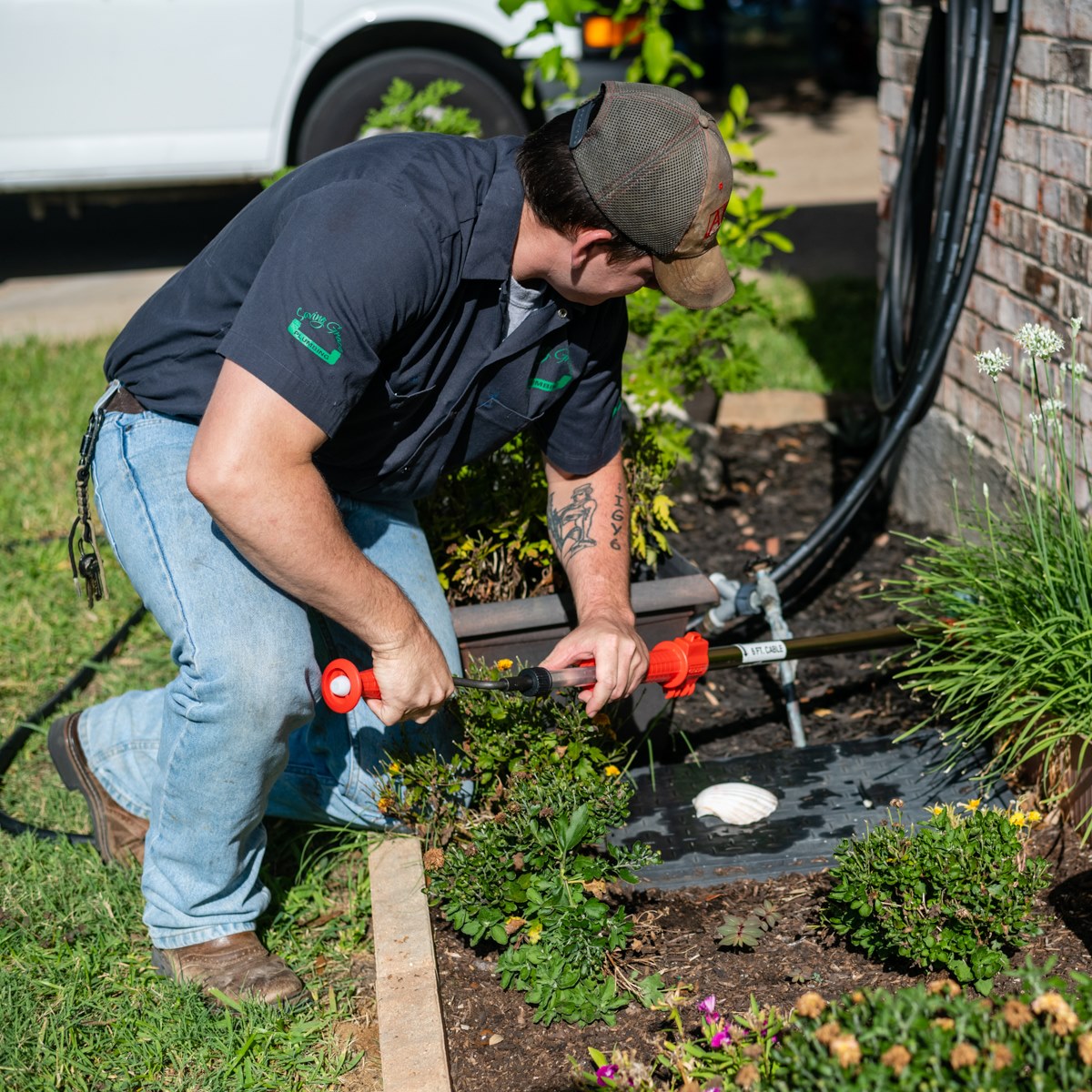
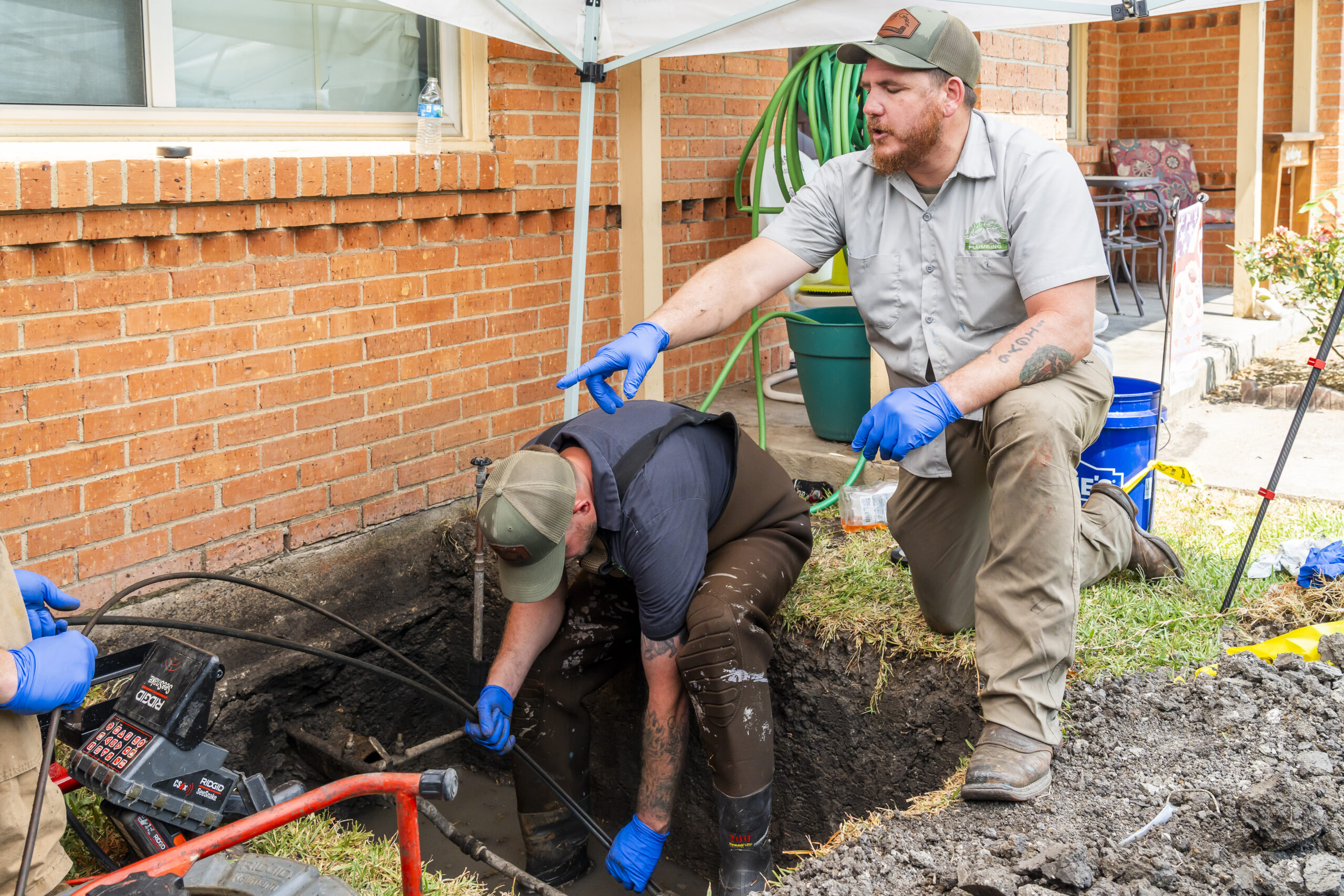
You should locate and inspect your sewer cleanouts—the white PVC caps in your yard—to
ensure they are tightly sealed and haven’t been damaged by lawnmowers. In the spring,
Rowlett’s heavy rains can flood an open cleanout, sending hundreds of gallons of rainwater
directly into your sewer system. This can overwhelm your pipes and cause a blowback into your
tubs and toilets.
Furthermore, spring is when tree roots are most active. Roots from large oaks or elms will seek
out the moisture in your sewer lines, entering through tiny cracks. If you notice that your drains
are gurgling or that your toilets are flushing slowly, it’s a sign that roots have begun to infiltrate
the line. Getting a camera inspection in the spring can catch these roots before they cause a
total blockage that requires digging up your yard.
Testing Your Main Water Shut-off Valve
Every homeowner in Rowlett should test their main water shut-off valve every spring to ensure
it hasn’t rusted shut. If a pipe bursts while you are at work, you need to know exactly where this
valve is and be certain that it actually turns. Most valves are located in a plastic or concrete box
near the street or where the water line enters the house.
If you find that your valve is frozen or won’t budge, do not force it with a wrench, as you could
snap the handle. This is a common issue in North Texas due to the high mineral content in the
soil and water which causes corrosion. Having a plumber replace an old gate valve with a
modern, stainless steel ball valve is a smart spring upgrade that provides peace of mind during
the stormy season.
Managing Yard Drainage to Protect Your Pipes
Spring is the time to ensure your yard is graded so that water flows away from your home, as
pooled water is the leading cause of plumbing-related foundation issues in Rowlett. If water
sits against your house for more than 24 hours after a rain, it is saturating the soil and putting
hydrostatic pressure on your underground pipes.
Check your downspout extensions. They should discharge water at least five feet away from the
foundation. Many homeowners make the mistake of letting gutters dump water right at the
corner of the house. This creates a soft spot in the clay soil, causing that corner of the house to
sink and putting a kink in your main water or sewer lines. Simple plastic splash blocks or French
drains are inexpensive ways to protect your plumbing infrastructure.
Checking Toilets for Silent Water Waste
Perform a dye test on your toilets by putting a few drops of food coloring in the tank; if the color
appears in the bowl after 15 minutes, your flapper is leaking. This is a silent leak that can waste
up to 200 gallons of water a day. In the Rowlett heat, rubber components inside the tank tend
to degrade faster, becoming brittle and failing to create a watertight seal.
While you’re at it, check the base of the toilet. If the toilet wobbles when you sit on it, the wax
ring seal has likely failed. This can lead to slow leaks that rot the subfloor and attract pests.
Tightening the bolts or replacing the wax ring is a quick spring fix that prevents major structural
rot under your bathroom floor.
Inspecting the Washing Machine Hoses
You should inspect the rubber hoses behind your washing machine for cracks, bulges, or
dampness, as these are the most common source of catastrophic indoor flooding. Most
manufacturers recommend replacing these every five years. If yours feel stiff or have visible
bubbles in the rubber, they are a ticking time bomb.
Upgrade to braided stainless steel burst-proof hoses. These are designed to withstand the high-
pressure surges that often occur in city water systems like Rowlett’s. Given how much laundry
families do during the busy spring and summer months, this small $20 investment is one of the
most effective ways to flood-proof your utility room.
Frequently Asked Questions
1. What is the most common plumbing issue in Dallas during spring?
The most common issue is slab leaks caused by shifting clay soil. As the ground absorbs spring
rain, it expands and puts pressure on the pipes under your concrete foundation. Regular
monitoring of your water meter can help catch these early.
2. How do I prevent my outdoor pipes from freezing during late spring cold
snaps?
Always keep your hoses disconnected when not in use. Even a slight freeze can cause water to
back up into the faucet and burst the pipe if a hose is attached. Using insulated hose bib covers
is also a great precaution.
3. Why does my water smell like rotten eggs in the spring?
This is often caused by sulfur bacteria in the water heater or a dry P-trap. If it’s only the hot
water, you likely need to flush your water heater and replace the anode rod. If it’s near a specific
drain, try pouring water down it to refill the trap.
4. Is Rowlett water hard and does it affect my pipes?
Yes, Rowlett water is considered moderately hard. Over time, this leads to calcium buildup in
your pipes and appliances. A spring flush of your water heater and cleaning your faucet aerators
can help manage this mineral buildup.
Conclusion
A little bit of preparation goes a long way in protecting your Rowlett home from the unique
plumbing challenges of North Texas. By following this spring plumbing checklist, you can
prevent foundation damage, lower your water bills, and avoid the stress of emergency repairs.
If you encounter a stuck valve, a slow drain, or suspect a slab leak, Saving Grace Plumbing is
your local expert. We specialize in the specific soil and structural needs of Rowlett residents,
ensuring your home’s plumbing is resilient and reliable. Contact us today to schedule a
professional spring inspection and keep your home running smoothly all year long.