Summer heat brings unique strains to residential pipe systems. Many homeowners associate broken pipes with winter freezes, but high outdoor temperatures and increased water usage create distinct structural risks. Checking key parts of your system now prevents major line breaks and unexpected water losses during the hottest months of the year.
Why Do Higher Temperatures Stress Your Underground Pipes?
Soil shifts significantly when hot weather bakes the clay ground. The dirt dries out quickly, shrinks, and moves away from your buried lines. When rain finally falls, the parched ground expands rapidly, putting immense physical pressure on your underlying sewer and water lines.
Ground movement can crack aging sewer pipes, pull joints apart, and cause underground lines to collapse. When tree roots search for moisture in dry soil, they target tiny cracks in your sewer lines, growing inside and blocking your system. Identifying these hidden shifts early protects your yard and keeps your main line flowing without expensive excavations.
How Does Summer Water Demand Impact Your Main Supply Line?
Water usage rises dramatically during the summer months due to lawn watering, filling pools, and running extra laundry loads. This constant high volume keeps your main supply line under continuous high pressure.
- Weakened Joints: Existing minor joint leaks quickly become major ruptures under high pressure.
- Invisible Losses: Damp patches on dry lawns or sudden drops in water pressure show that your underground line is leaking.
- Wasted Water: Hidden pipe cracks cause monthly bills to climb without your knowledge.
Checking your water meter when no faucets are running reveals if water is escaping from your system. Detecting these issues early saves thousands of gallons of water and prevents structural damage to your grass.
What Are the Hidden Dangers of AC Condensate Drain Clogs?
Your air conditioning system removes large amounts of moisture from the indoor air to keep your house comfortable. This water drains out through a small PVC pipe that often connects directly to your home’s sanitary sewer system.
Algae, dust, and mold collect inside this dark, wet pipe, forming thick clogs over time. If the condensate line blocks up, the water backs up directly into your ceiling, walls, or floors, causing massive rot and mold growth. Regular inspections of the drain outlet help keep the water flowing safely away from your living space.
Why Do Slab Foundations Require Extra Attention in Hot Weather?
Underground plumbing lines sit directly beneath the heavy concrete slab of your home. When dry summer heat causes clay soil to contract, the concrete slab can settle, putting extreme stress on the pipes buried beneath it.
Slab leaks are difficult to spot because the pipes are completely encased in concrete. Watch out for unusually warm spots on your floor, damp carpeting, or the sound of rushing water when all your fixtures are completely turned off. Professional leak detection tools can locate these hidden underground leaks without damaging your floors.
Is Your Water Heater Prepared for Constant Summer Use?
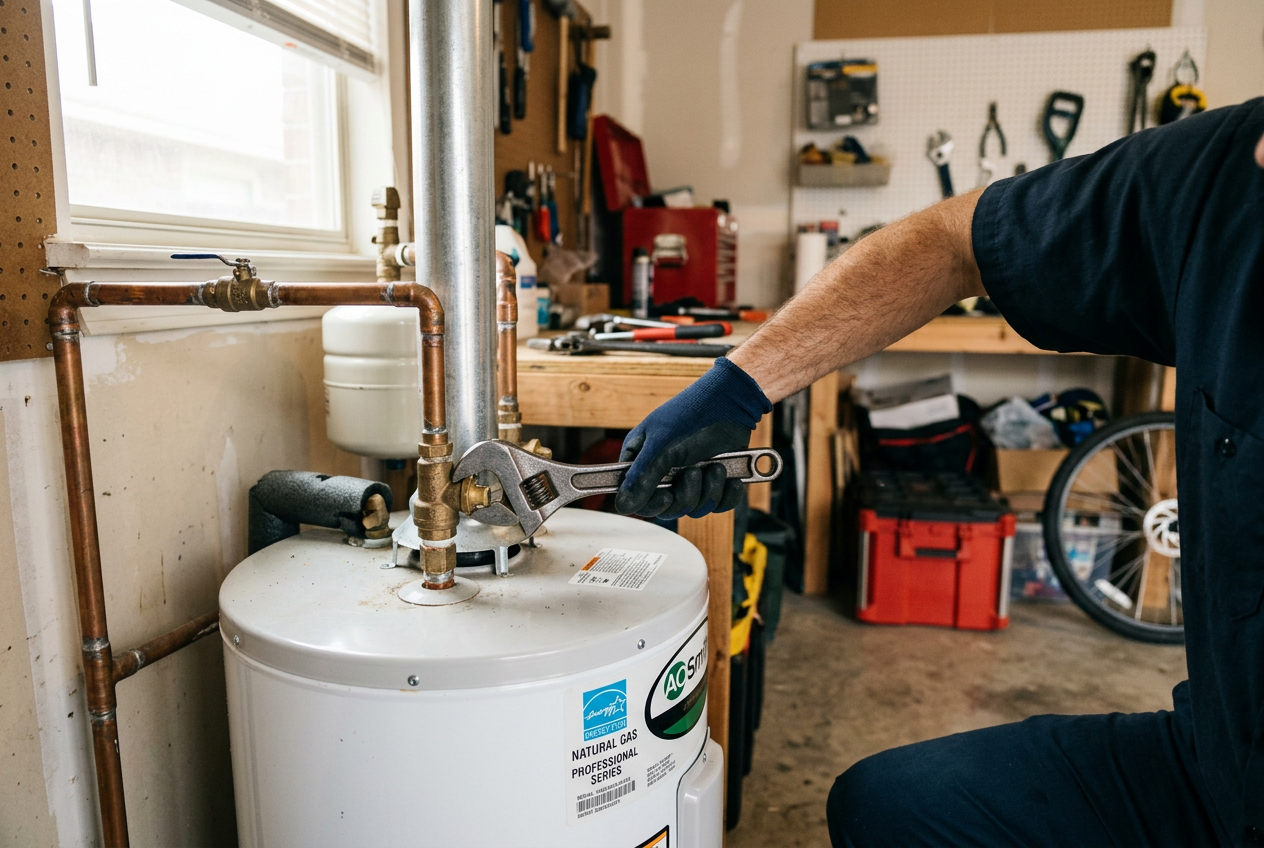
People often ignore their water heaters in the summer because they take fewer hot baths. However, washing beach towels, running dishwashers, and cleaning up after outdoor activities keeps the system working hard.
The pressure relief valve on your tank must work correctly to prevent pressure build-ups. Mineral buildup inside the tank acts as an insulator, making the system work much harder to heat your water. Flushing the tank once a year removes this sediment, improves heating efficiency, and extends the lifespan of your unit.
How Can You Prevent Kitchen Drain Clogs During Summer Cookouts?
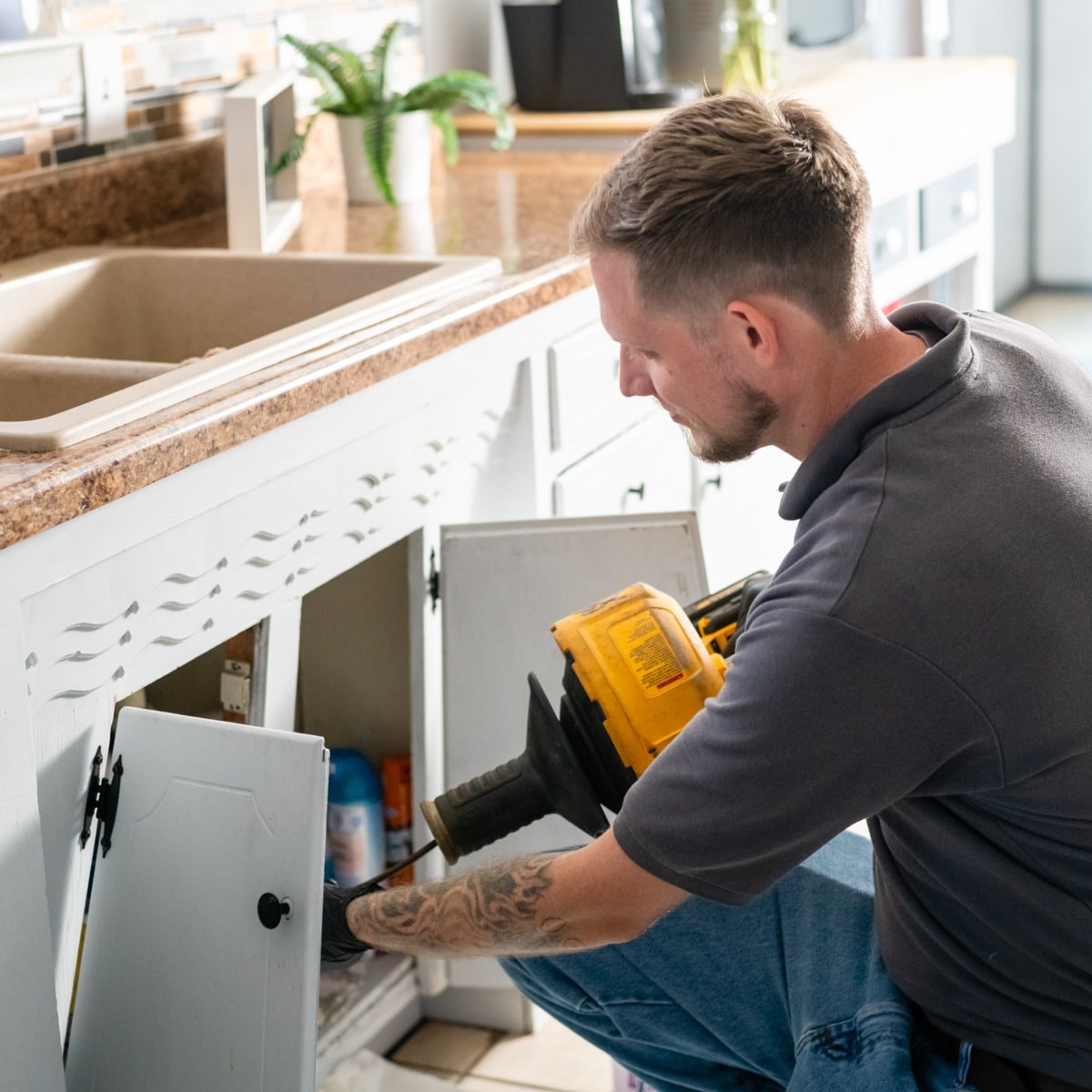
Summer gatherings mean more cooking, which places a heavy burden on your kitchen sink and garbage disposal. Homeowners often make the mistake of throwing fibrous vegetables, corn husks, and grease down the drain.
Grease may look like a liquid when hot, but it solidifies inside your cool sewer pipes, creating a dense barrier. Garbage disposals are only designed for light food residue, not large scraps. Disposing of food waste in the trash bin keeps your kitchen plumbing clear and prevents backed-up sinks during your family events.
Frequently Asked Questions
Can Summer Heat Cause Pipes to Burst?
Yes, dry summer heat causes clay soils to shrink and shift, which puts extreme physical stress on underground plumbing lines. This ground movement can crack pipes, split joints, or cause structural collapses.
Why Does My Water Bill Increase So Much During the Summer?
Increased watering, pool usage, and extra laundry contribute to higher bills, but hidden underground leaks are also a major cause. Inspecting your water meter can tell you if water is escaping from your main supply line.
How Do I Know If I Have a Slab Leak in the Summer?
Common warning signs include unusually warm spots on your flooring, damp carpets, moldy smells, or hearing running water when all your household faucets are completely turned off.
How Often Should I Flush My Water Heater?
You should flush your water heater at least once a year to clear out mineral deposits and sediment. This simple maintenance task keeps the unit running efficiently and prevents early system failure.
Schedule a Service Call with Saving Grace Plumbing
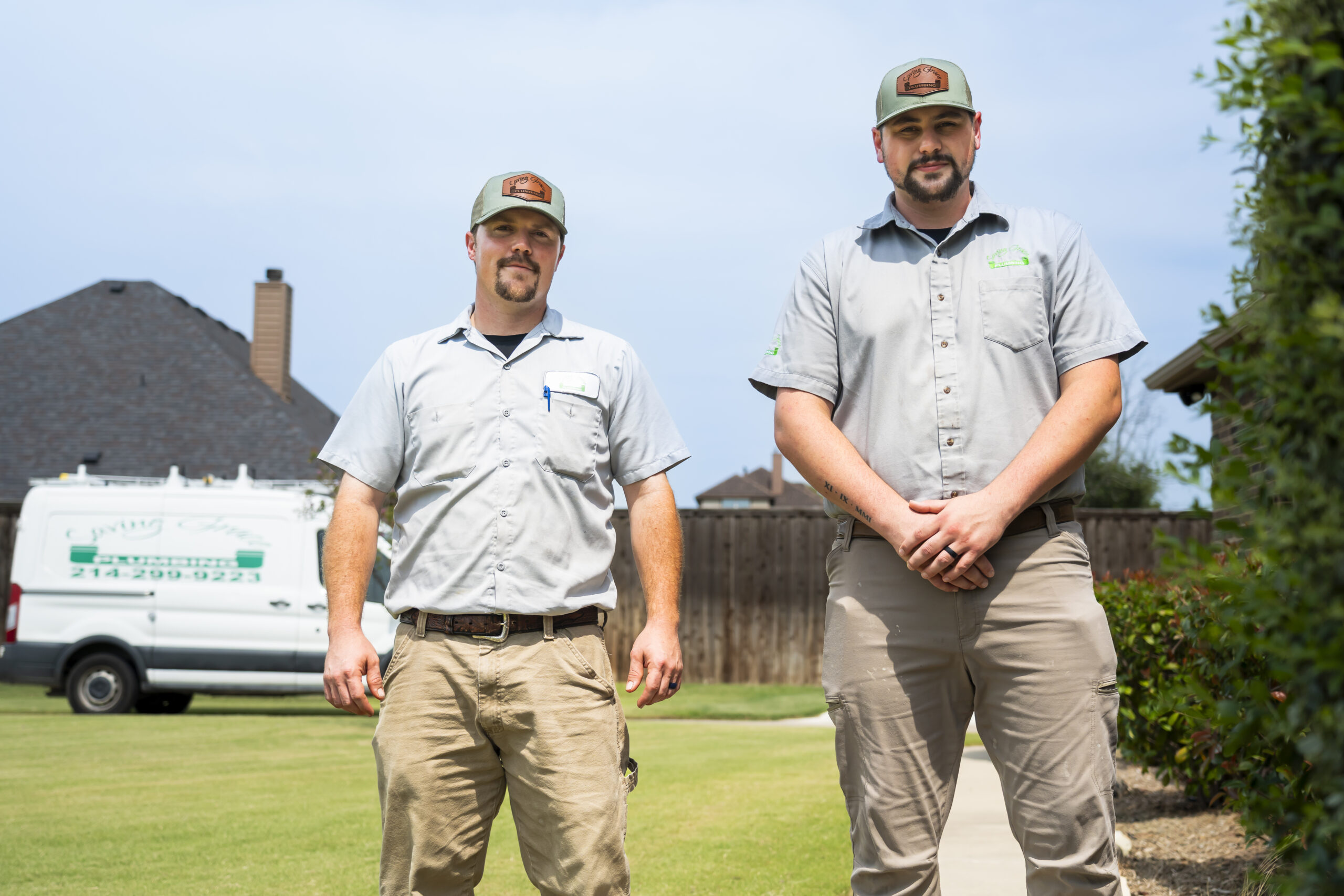
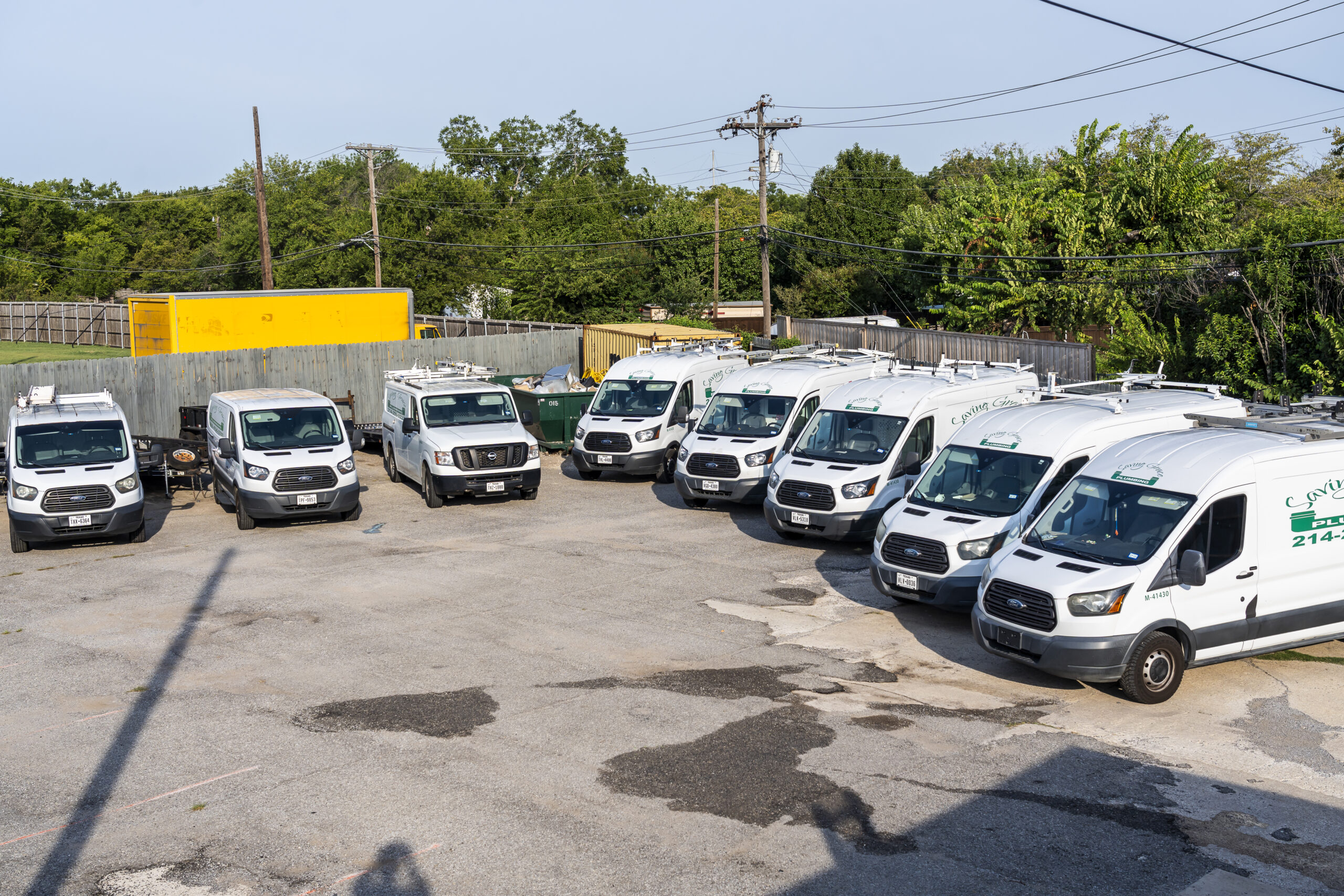
Saving Grace Plumbing provides dependable, honest residential plumbing services to keep your home running smoothly. Our licensed professionals use modern tools to find hidden leaks and fix line issues before they turn into costly summer emergencies. Contact us today to schedule your maintenance visit. We are ready to serve you with upfront pricing and no hidden fees.