Most Texas homeowners do not think about their water heater until the hot water disappears or a leak forces immediate action. By 2026, waiting for a failure can limit options and raise costs. Aging systems, rising utility bills, and changing household routines make this a practical time to plan ahead.
Here’s a walkthrough of water heater options Texas homeowners see most often and what to consider when choosing a system that matches household demand and layout.
Why 2026 Is a Smart Time to Upgrade
Many water heaters installed 10 to 15 years ago were designed for lower demand and different energy conditions. As these systems age, recovery times slow, and performance becomes inconsistent, especially during heavy use. In North Texas, where hot water is needed throughout the year, these issues tend to surface quickly.
Upgrading before a breakdown gives homeowners more control. Planning ahead allows time to compare systems, review installation needs, and understand pricing clearly rather than making decisions under pressure.
Understanding the Main Water Heater Options
Water heater upgrades are not one-size-fits-all. The right choice depends on how a household uses hot water, how much space is available, and how long the homeowner plans to stay in the property. Below are the most common systems used in Texas homes today.
Traditional Tank Water Heaters
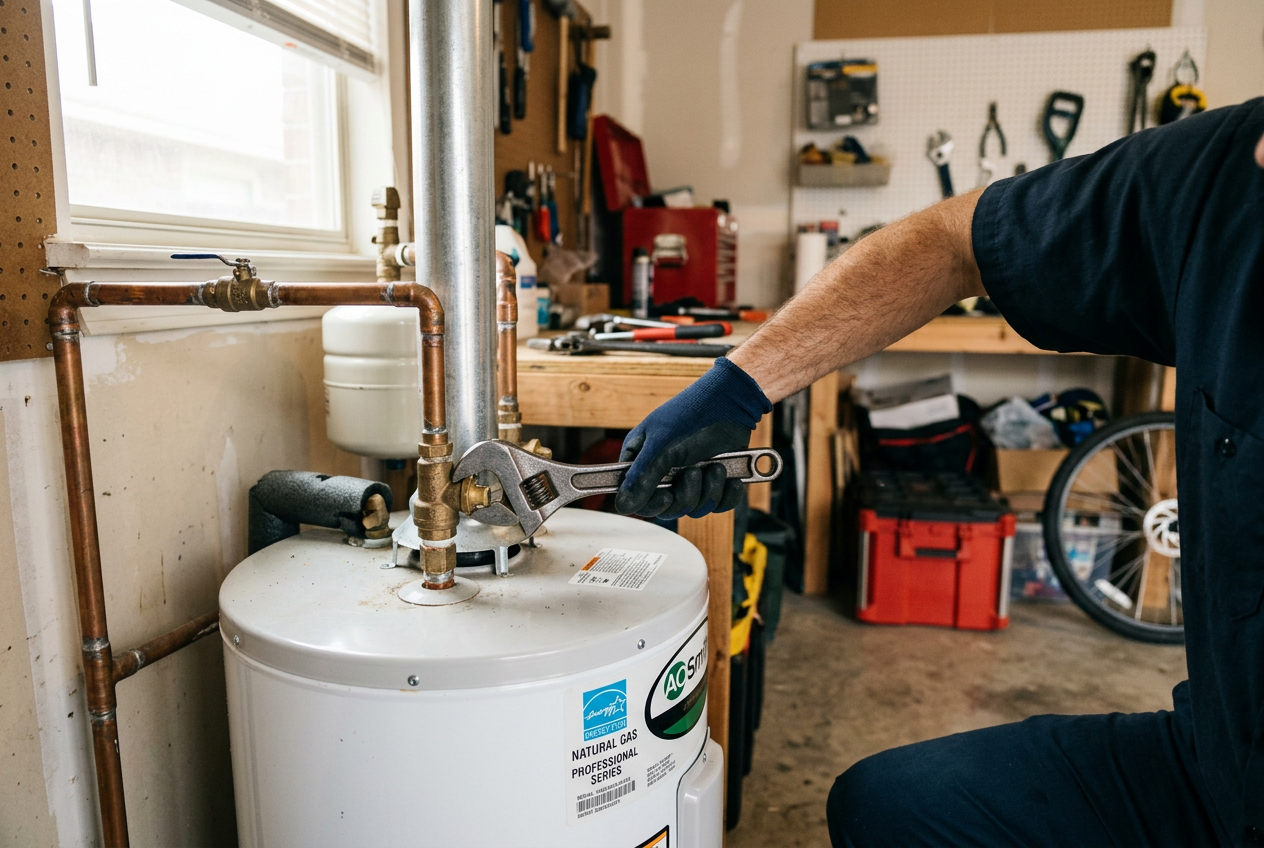
Traditional tank water heaters remain a common choice in many homes. These systems heat and store a set amount of water, delivering hot water quickly until the tank runs empty. They are often selected when replacing an existing tank unit because installation is usually straightforward.
This option works well for smaller households or homes with predictable water use. The upfront cost is typically lower than that of other systems, which appeals to homeowners on a set budget. The main drawback is capacity. Once the stored hot water is used, there is a waiting period while the tank reheats.
Tankless Water Heaters
Tankless water heaters heat water only when it is needed. Because they do not rely on stored water, they provide a continuous supply during normal household use. This makes them a popular option for homes with higher daily demand.
These systems usually cost more upfront and must be properly sized to meet usage needs. Many homeowners value the compact design and steady performance, especially during busy mornings. Tankless systems are often considered by those planning to remain in their home long term.
Hybrid Water Heaters
Hybrid water heaters combine a storage tank with heat pump technology that draws warmth from the surrounding air. This design can reduce electricity use compared to standard electric tanks.
These systems require sufficient space and airflow, most often in a garage or utility area. Because placement matters, a professional evaluation helps determine whether a hybrid system is a good fit for the home.
Key Factors Texas Homeowners Should Consider
Beyond system type, several practical factors influence whether a water heater upgrade performs as expected.
Household Size and Daily Use
Water heater selection depends more on daily routines than square footage. Homes with multiple showers, laundry cycles, and dishwashing close together place a higher demand on a system than households with staggered schedules.
Energy Source and Utility Costs
Water heaters may run on gas, electricity, or hybrid technology. Operating costs vary by local utility rates, which can affect long-term expenses. Comparing energy sources is an important step before choosing a system.
Installation Requirements
Some upgrades involve more than replacing the unit. Electrical panels, gas lines, or venting may need adjustments depending on the system selected. These requirements influence both cost and installation timing.
For homeowners exploring a water heater upgrade, working with Saving Grace Plumbing means getting clear answers and upfront pricing before installation begins. Our licensed team takes the time to evaluate your home, explain your options, and help you plan the next step with confidence instead of reacting to a water heater failure. Contact us to schedule an evaluation or reach out to our team with questions.