- Catching minor signals like gurgling drains or damp spots prevents high-cost structural damage and foundational erosion.
- Proactive habits, such as regulating water pressure and using enzymatic cleaners, can double the lifespan of your pipes and fixtures.
- Modern technology, such as fiber-optic camera inspections, enables targeted sewer repairs without tearing up your yard or walls.
Plumbing is the invisible circulatory system of a home. It operates behind finished walls and beneath heavy floorboards, usually only gaining a homeowner’s attention when something goes wrong. However, by the time a drain stops flowing or a basement floor drain backs up, the underlying issue has often been developing for months. Understanding the mechanics of a residential drainage system is the first step in moving from a reactive emergency mindset to a proactive maintenance strategy that protects both the home’s foundation and the family’s budget.
The Educational Foundation of Residential Drainage
To manage a plumbing system effectively, one must understand that it relies on a delicate balance of gravity and venting. Every drain in a house, from the kitchen sink to the laundry tub, leads to a central stack. This stack carries waste out to the municipal sewer or a private septic tank. Most people assume pipes are simply hollow tubes that can handle anything thin enough to fit down the hole. In reality, the interior of a pipe is a complex environment where temperature changes, chemical reactions, and physical obstructions interact daily.
Over time, soft clogs consisting of hair, soap scum, and food particles begin to narrow the diameter of the pipe. This narrowing increases friction, slows down water flow, and eventually leads to total blockages. Furthermore, the venting system is just as vital as the pipes themselves. Vents allow air into the drainage system, preventing vacuums that would otherwise suck water out of the P-traps. If you hear gurgling in the tub when the toilet flushes, it is a sign that the atmospheric balance in the plumbing is off.
Why Proactive Pipe Care Matters
Ignoring the health of a drainage system is a high-stakes gamble. Water is a relentless force; when it cannot go down the drain as intended, it finds the path of least resistance. Often, that path leads to the structural components of the home. A slow-leaking drain behind a vanity or inside a wall cavity can lead to mold growth and wood rot long before a visible puddle appears.
Beyond the physical damage to the structure, there is the issue of sewer gas infiltration. P-traps are designed to hold a small amount of water to block methane and other gases from entering the living space. When a system is poorly maintained or improperly vented, those gases can bypass the traps, creating health risks and unpleasant odors. Investing in the health of the pipes is essentially an investment in the air quality and structural longevity of the entire property.
Core Insights and Troubleshooting Strategies
When a plumbing system begins to fail, it rarely happens without warning. The challenge for most homeowners is knowing how to interpret the signals the house is sending.
Identifying the Root Cause of Slow Drains
Not all clogs are created equal. A blockage in a bathroom sink is usually a combination of hair and biological film. In contrast, a kitchen sink clog is often the result of F.O.G. (Fats, Oils, and Grease). Even if grease is liquid when poured down the drain, it solidifies as it hits the cold pipes underground, creating a waxy substance that acts like a magnet for other debris.
- Grease Solidification: Even small amounts of oil build up over the years, narrowing the pipe diameter.
- Hair and Soap Scum: These create a net-like structure in bathroom drains that traps larger debris.
- Foreign Objects: Jewelry, small toys, or hygiene products often get lodged in the P-trap.
The information-packed solution is simple: instead of reaching for a bottle of caustic chemical cleaner, which can generate heat and crack older PVC or corrode metal pipes, homeowners should utilize mechanical or enzymatic solutions. A simple zip tool or a hand-cranked snake can physically remove the obstruction without damaging the pipe lining. For long-term health, monthly treatments with non-corrosive enzymes can eat away at the organic buildup that leads to those soft clogs.
Managing Main Line and Sewer Health
The most significant hurdle in residential plumbing is the main sewer line. This is the pipe that carries everything away from the house. Because it is buried deep underground, it is susceptible to root intrusion. Tree roots are naturally drawn to the moisture and nutrients inside sewer pipes. They can find microscopic cracks, grow inside, and eventually create a literal forest inside the pipe that catches toilet paper and solid waste.
If the home experiences cascading backups where using the washing machine causes water to come up in the basement shower, the issue is almost certainly in the main line. Modern solutions like fiber-optic camera inspections allow plumbers to see exactly where the problem is located without digging up the yard. This level of precision ensures that the fix is targeted and permanent.
The Dangers of High Water Pressure
While low pressure is a nuisance, high water pressure is a silent killer for plumbing fixtures. Most residential systems are designed for 40 to 60 psi. If the pressure from the city main exceeds 80 psi, it puts constant stress on the seals in the dishwasher, the valves in the toilets, and the joints in the piping. Over time, this leads to water hammer, that loud banging sound when a faucet is turned off, and eventually, burst pipes. Installing a pressure-reducing valve (PRV) is one of the most cost-effective ways to protect the entire home from premature plumbing failure.
Relevant Supporting Information and Common Pitfalls
Many homeowners fall into the trap of out of sight, out of mind. One common mistake is the misuse of the garbage disposal. These units are designed for light food residue, not as a primary waste bin.
- Avoid Fibrous Foods: Celery, corn husks, and onion skins can wrap around the blades.
- No Starchy Items: Potato peels and pasta create a thick paste that clogs the trap.
- Cold Water Only: Always run cold water when using the disposal to keep any fats in a solid state so they can be ground up and flushed away.
Another pitfall is ignoring the silent leak in a toilet. A leaking flapper can waste hundreds of gallons of water a day. A simple test involves putting a few drops of food coloring in the toilet tank. If the color appears in the bowl after fifteen minutes without flushing, the seal is leaking. It is a five-minute fix that can save a significant amount on the monthly utility bill.
The Long-Term Impact of Pipe Materials
The era in which your home was built determines much of your plumbing’s destiny. Homes built before the 1960s often feature galvanized steel pipes, which are notorious for rusting from the inside out. This rust eventually closes off the pipe, leading to poor water pressure and rusty colored water.
Homes from the 70s and 80s might have polybutylene piping, a grey plastic that was later found to be prone to sudden, catastrophic failure due to reactions with chlorine in the water. Understanding what your house is made of allows you to plan for repiping before a pipe bursts while you are at work or on vacation. Modern PEX (cross-linked polyethylene) is the current gold standard, offering flexibility, resistance to scale and chlorine, and a much lower likelihood of bursting in freezing temperatures.
The Evolution of Plumbing Diagnostics and Precision Care
The single biggest hurdle that used to stand between a homeowner and a permanent plumbing fix was the guesswork involved in traditional repairs. Years ago, if a main line was backing up, the only solution was to dig a trench across the lawn or jackhammer the basement floor to find the problem. Today, the industry has shifted toward high-tech, non-invasive diagnostics that protect your property while identifying the exact bottleneck.
Using waterproof, high-resolution fiber-optic cameras, we inspect your entire drainage system to precisely identify internal issues from hairline fractures and offset joints to early calcium buildup. This technology allows us to recommend targeted, cost-effective solutions like pipe relining or spot-fixing, avoiding unnecessary and expensive total pipe replacement. Our precision ensures the repair is tailored to your home’s exact infrastructure needs.
Why Choose Saving Grace Plumbing
Our unique selling proposition lies in our comprehensive approach. We don’t just clear a drain; we investigate why it clogged in the first place. Whether it is a grading issue in the yard, a venting problem on the roof, or simply an aging fixture, we provide the context you need to make an informed decision. We treat every home with the respect it deserves, ensuring that our work is clean, efficient, and built to last. We are a family-oriented business that prioritizes the long-term health of your home’s infrastructure over short-term profits.
The single biggest hurdle for most homeowners is the fear of the unknown. They ignore a small leak because they are afraid of what the repair might cost. However, the cost of a proactive inspection is always a fraction of the cost of an emergency cleanup. Taking control of your home’s health today ensures a dry, safe, and stress-free environment for years to come.
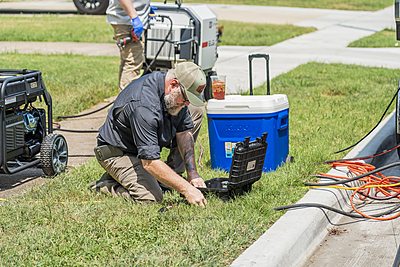
Ready to ensure your home’s plumbing is in top shape? Contact Saving Grace Plumbing today to schedule a professional drainage assessment or a main line camera inspection. Let us provide the peace of mind that comes with a perfectly functioning home.