Underground pipe failures happen when shifting soil snaps or offsets buried connection joints. Soil loses its moisture rapidly under high temperatures, which causes the ground to contract away from your foundation slab. This movement strips away the structural support surrounding your pipes, leaving the heavy material vulnerable to fracturing under everyday household weights.
High plumbing usage during mid-summer accelerates the deterioration of already weakened waste systems. Families wash more clothes, run multiple dishwashers, and shower frequently after outdoor activities. This continuous water volume overwhelms restricted main pipes that might function fine during periods of low usage. A minor blockage deep in your system quickly transforms into a total household emergency when water lines never get a chance to rest.
1. Multiple Fixtures Experience Simultaneous Backups
A localized pipe blockage only impacts the single sink or toilet where the restriction exists. A main drain failure stops the exit flow for the entire home because all waste lines feed into one primary sewer artery. Water poured down a kitchen sink cannot escape to the street network when a dense blockage sits in that central pipe.
The wastewater immediately seeks the lowest available openings inside your home layout to vent its volume. This typically means you will see murky water bubble up through your shower grates or floor drains when running appliances on a completely different floor. For instance, running a heavy cycle on your clothes washing machine might cause your guest toilet to overflow onto the bathroom tile.
2. Strange Gurgling Sounds Come From the Toilet Bowl
Toilets must pull water down cleanly and quietly every time you press the flush handle. When an underground pipe develops a deep blockage, air gets trapped inside the liquid column moving through the line. The rushing wastewater forces this trapped pocket backward toward your plumbing fixtures, which creates a distinct bubbling noise inside the bowl water.
This gurgling signifies that your home drainage network lacks proper structural venting due to standing waste. You might hear these deep gurgles when your kitchen dishwasher discharges its rinse water or when someone drains a bathtub upstairs. It is a clear sign that wastewater is backing up right below your living spaces.
3. Every Sink in the Building Drains Extremely Slowly
A single slow drain usually means hair, soap scum, or foreign objects have gathered directly beneath that specific sink basket. When every sink basin, shower stall, and bathtub drains slowly at the same time, the root issue sits inside your main yard line. The water meets immediate resistance as it tries to exit your property boundary.
You can observe this issue by tracking how long water pools around your feet during a regular morning shower. The water level will rise continuously and take hours to drop out of sight after you shut off the valve handles. Homeowners often try pouring commercial chemical cleaners down the sink openings, but these liquids fail to reach deep main blockages and corrode your pipe walls instead.
4. Waste Material Materializes Inside the Shower Pan
The shower pan serves as the lowest drainage outlet in almost every residential architectural floor plan. A blocked sewer line forces raw wastewater backward into this opening because it cannot push past the main block in the yard. You will see dark, smelly water carrying gray debris or paper flecks rise through the metallic shower grate.
This alarming symptom often takes place when no one is using the shower fixture itself. The dirty water enters the stall because a different appliance, like an automatic washing machine, is discharging large amounts of water elsewhere in the house structure. This specific warning requires immediate mechanical intervention before the waste spills onto your surrounding floorboards.
5. Foul Sewage Odors Escape From Internal Drains
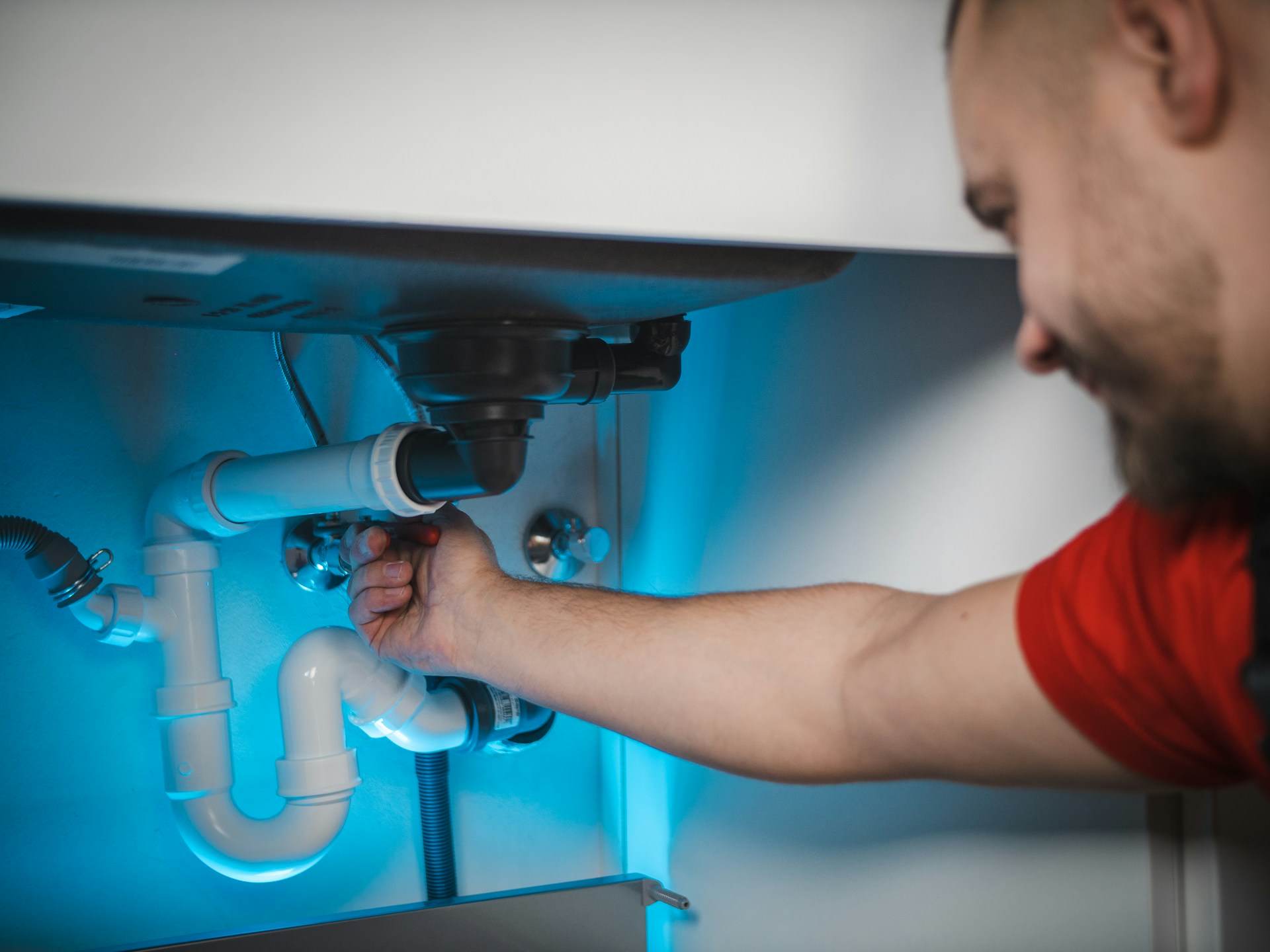
Normal residential plumbing layouts feature a curved piece of pipe called a P-trap beneath every single drain opening. This bend holds a small amount of clean water that stops sewer gases from rising into your living areas. A total main line restriction changes the internal pressure balances inside your system, which sucks that protective water out of the traps.
The resulting smell resembles sulfur, rotten eggs, or decaying organic material inside your kitchen or bathroom spaces. The odor remains strong even after you clean the porcelain sink bowls with household bleach or soaps. This airborne gas presents real discomfort and confirms that static waste material is sitting directly beneath your home.
6. Daily Toilet Overflows Require Constant Plunging
An occasional toilet clog happens when someone uses too much paper product or flushes heavy items that do not belong in the waste stream. If your household plunger becomes a daily necessity just to make the toilet function, the blockage rests deep inside your main yard pipe. The toilet cannot clear its basin contents because the lines downstream remain full of standing water.
You will find that plunging provides only temporary relief before the very next flush causes the water level to climb back up to the rim. The water will fill the bowl, sit stagnant for twenty minutes, and drop down slowly by a few inches over time. This continuous drainage trouble shows that the main line cannot handle regular household discharges.
7. Sudden Spongy Green Strips Appear on the Lawn
Buried sewer lines transport nutrient-rich wastewater that acts as an unintended food source for nearby lawn grass and landscaping trees. When an underground pipe cracks open due to structural shifting or root damage, this dirty water continuously leaks into the surrounding soil. You will see a distinct line of grass that grows much faster and looks darker green than the rest of your yard.
The turf directly above that failing line will feel soft, soggy, or spongy when you walk across it during dry weather. You might notice a shallow indentation forming in your lawn where the escaping liquid has washed away the supporting dirt layers beneath the roots. This hidden erosion eventually causes yard sinkholes that damage underground structural components.
8. Unexplained Pest Infestations in Ground Floor Rooms
Rats, mice, and large cockroaches thrive inside underground municipal waste networks because they feed on organic debris. A solid, uncracked residential pipe network keeps these pests out using thick walls and water-filled traps. If a main sewer line splits open beneath your yard or foundation slab, these animals use the fracture point to enter your house.
You will notice sudden insect or rodent problems appearing inside your low-level bathrooms, crawlspaces, or utility rooms. The pests follow the smell of the leaking waste material and dig through the loose dirt to find the entry hole in your pipe. Resolving the structural plumbing failure is the only way to stop these specific pests from entering your living spaces.
9. Structural Foundation Cracks and Interior Wall Shifting
A long-term main line leak beneath a residential concrete slab changes the physical density of the load-bearing soil supporting your home. The steady flow of wastewater turns firm dirt into soft mud, which causes the heavy foundation to sink unevenly under the weight of the building. This shift places tremendous twisting stress on your entire wooden framing system.
You will notice interior bedroom doors jamming in their frames, windows sticking tight when you try to open them, and small cracks appearing in your drywall corners. These major physical signs mean a sewer line leak has been washing away soil for months. Finding the blockage early stops these expensive structural problems before they ruin your property value.
10. Wastewater Pools Around Your Exterior Cleanout Pipe
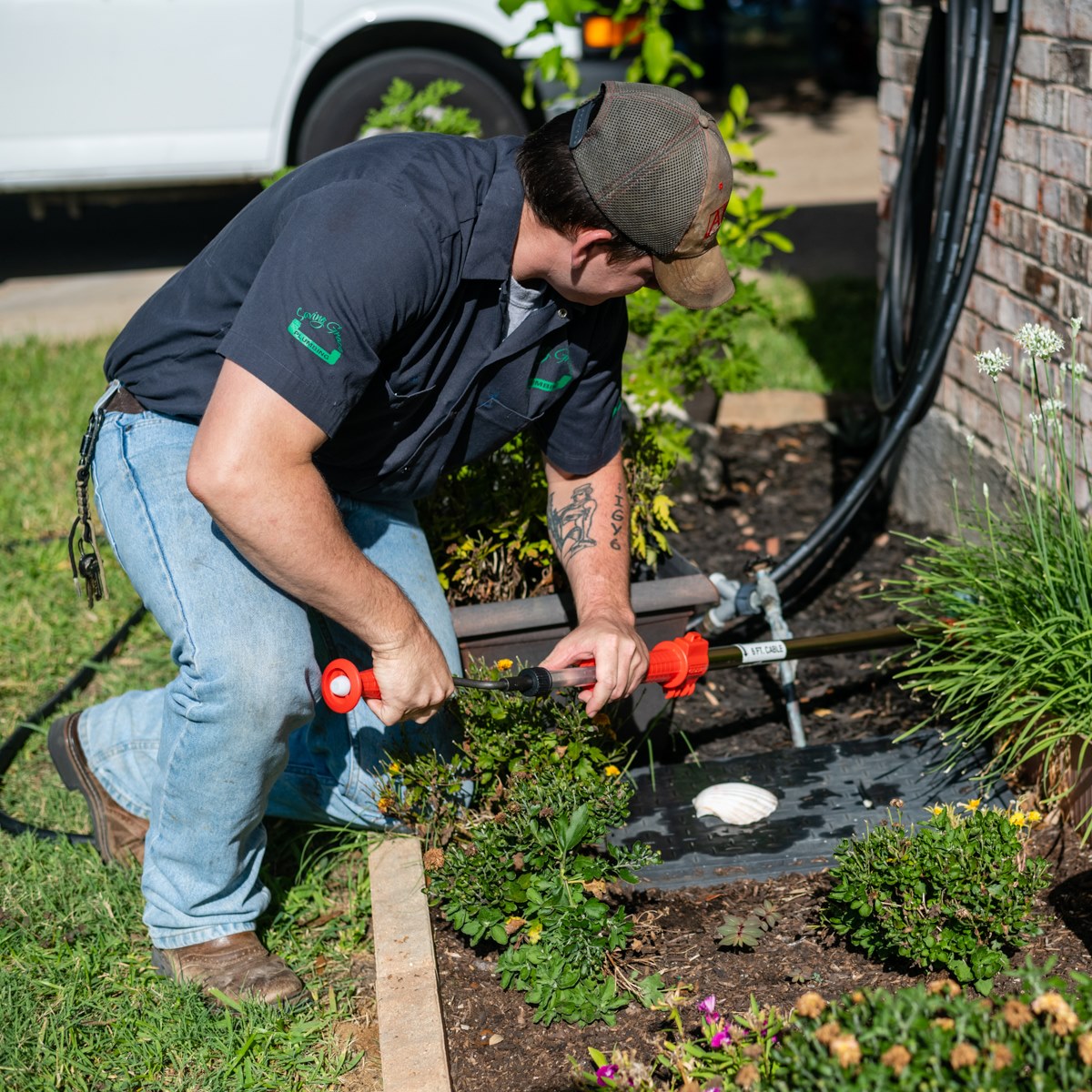
Most residential properties built over the last few decades include a main sewer cleanout pipe located in the yard. This pipe connects straight to your main drain line and features a threaded plastic cap at ground level. When a complete blockage occurs between the house foundation and the city street line, wastewater fills this vertical pipe completely.
Removing this plastic cap provides clear visual evidence of a major main line crisis. If you twist off the lid and see standing sewage water sitting right at the top of the tube, your system has failed. The water should flow freely past this access point toward the city main line, so any pooling means the blockage sits further down the line.
Frequently Asked Questions
What Differentiates a Single Fixture Clog from a Main Line Blockage?
A fixture clog remains isolated within the trap of one sink or toilet, which allows every other drain in your home to operate normally. A main line blockage sits in the primary pipe leaving the building, which stops all wastewater from escaping your property. This central restriction causes multiple plumbing fixtures to back up simultaneously whenever you use water anywhere in the house.
Can Tree Roots Crack Modern Thick Plastic Sewer Pipes?
Tree roots enter plastic sewer pipes when the joining glues or gaskets loosen due to normal summer soil movement. Once a single microscopic root tip slips inside the pipe joint, it expands rapidly because it has constant access to water and organic nutrients. This growing root mass eventually splits the plastic material apart, creating a dense net that catches toilet paper and waste debris.
Why Do Household Drains Smell like Rotten Eggs During Hot Weather?
High summer temperatures speed up the decomposition of organic waste materials trapped inside your home’s drainage lines. When a sewer line blocks completely, the changing internal air pressures push these smelly gases past your empty sink traps and into your rooms. This unpleasant odor tells you that raw waste is sitting static beneath your house instead of flowing out to the municipal street main.
Is It Safe to Use Chemical Drain Clearing Products on a Main Line?
Chemical drain openers do not possess the capacity to clear dense main line blockages like thick tree roots or deep grease plugs. These retail products contain corrosive acids that produce intense heat, which can warp modern PVC pipes and weaken older cast-iron plumbing systems. The chemical fluid will simply sit inside your standing wastewater, creating a toxic hazard for the technician who must repair the line later.
Facing Main Sewer Line Blockages?
Structural underground pipe failures require industrial clearing equipment and precise diagnostic tools to resolve safely. Saving Grace Plumbing delivers comprehensive main sewer line inspections, professional drain cleaning, and lasting pipe restorations for property owners throughout the region. Our team utilizes advanced video camera technology to locate your exact pipe restriction without damaging your yard. Contact us today!