Whether you are a new neighbor in Forney or a longtime resident of Rockwall, there is a lot to love about our community. However, our local water carries a hidden challenge. It is classified as “hard” because it is packed with minerals like calcium and magnesium.
Over time, these minerals settle and create a rock-hard layer of scale inside your plumbing and appliances. This buildup restricts water flow and drives up your energy bills. Left alone, it can eventually cause your pipes to leak or burst from the inside out. Protecting your home starts with knowing what is happening in your pipes.
What Exactly Is Hard Water?
Hard water naturally picks up minerals as it travels underground, carrying an invisible load that
can be tough on plumbing and faucets. While this water is safe to drink, it often acts like
cholesterol for these systems.
Just as plaque builds up in an artery, calcium and magnesium collect inside these lines over
time. This narrows the pipe’s diameter and forces the entire system to work harder, which can
eventually lead to pressure points and pinhole leaks. Staying ahead of this buildup is the
simplest way to keep a home in Forney and Rockwall running smoothly for years to come.
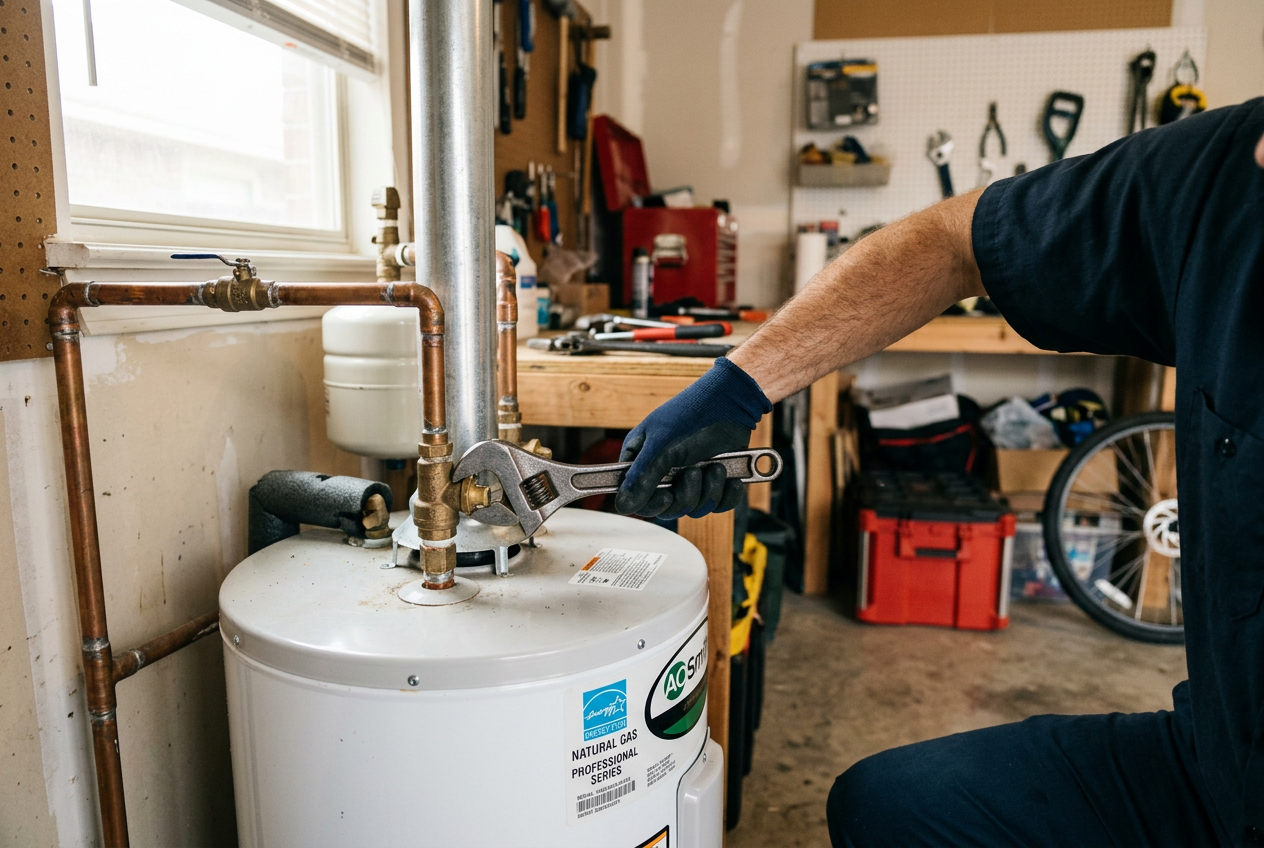
How Scale Buildup Damages Water Heaters
water. In a standard tank, calcium settles at the bottom to form a thick stony crust. When the burner turns on, it must heat through that rock before it can even reach the water. This forces the metal to get much hotter than intended and leads to early tank failure.
If you hear a popping or rumbling sound, those are steam bubbles escaping from underneath the sediment. It is a clear sign that your heater is struggling. Without a way to manage hard water, a unit meant to last twelve years might only last six. This is especially true for modern tankless units where narrow passages can clog completely in just a few seasons.
The Warning Signs of Water Heater Scaling
If your system is struggling with Forney and Rockwall’s mineral content, you will likely notice these specific symptoms:
- The “Kettle” Sound: Popping or banging noises coming from the tank during a heating cycle.
- Temperature Fluctuations: Hot water that suddenly turns lukewarm or takes twice as long to recover.
- Higher Gas or Electric Bills: Your unit is running longer to fight through the “stone” insulation at the bottom of the tank.
- White Flakes in Aerators: Small pieces of broken-off scale clogging your faucet screens or showerheads.
Hard Water Damage to Modern Fixtures
Hard water is the natural enemy of modern matte black or brushed gold finishes in Forney and Rockwall. The white chalky residue known as limescale does more than sit on the surface because it can actually eat away at the protective coatings. Inside the faucet, mineral grit grinds down the delicate ceramic cartridges and rubber seals that prevent drips.
Once these seals are scratched, the faucet will begin to leak. Because specialized fixtures often require a total valve or unit replacement rather than a simple washer, the cost of hard water goes far beyond the price of extra soap. Without proper water management, these high-end installations can quickly turn into a maintenance nightmare.
The Hidden Link Between Hard Water and High Energy Bills
When your pipes and water heater are coated in scale, your entire plumbing system loses efficiency. It takes more energy to push water through a narrowed pipe and significantly more energy to heat water through a layer of stone. Studies show that even a small amount of scale can increase your water heating costs by up to 25%.
In a large home, that extra energy usage adds up to hundreds of dollars a year. You aren’t just paying for the water you use; you are paying a “mineral tax” to the city’s water supply. Improving your water quality isn’t just about comfort; it is a financial strategy to keep your monthly overhead low and your appliances out of the landfill.
Can Hard Water Cause Pinhole Leaks?
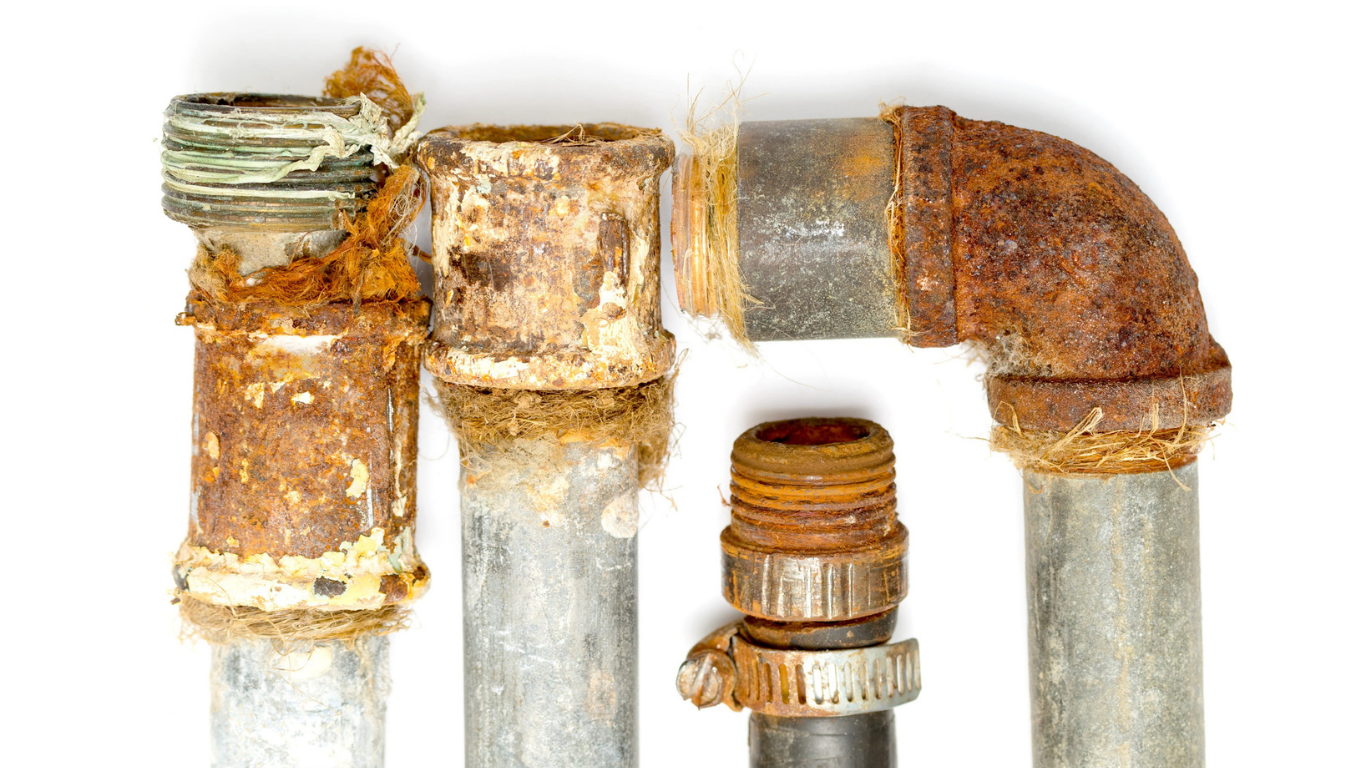
Hard water contributes to a specific type of corrosion that targets your copper pipes. While people usually think of hard and acidic water as opposites, the mineral deposits from hard water create micro environments on the pipe wall.
The Science of Scale
Beneath a clump of scale, oxygen levels drop and a chemical reaction occurs that eats a tiny hole through the copper. This is why you might find a leak in the middle of a straight pipe with no visible outside damage.
Local Water Chemistry
Because water chemistry varies depending on the municipal district, some neighborhoods see these leaks faster than others. Variations in the local supply can accelerate the way minerals interact with your plumbing.
Signs of Pitting Corrosion
If you notice small green spots on your copper pipes, that is pitting corrosion. It is a clear signal that the minerals in your water are winning the war against your plumbing system.
How Hard Water Shortens Appliance Lifespans
It isn’t just your pipes that suffer. Along with your pipes, your expensive home appliances are constantly under attack:
- Dishwashers: Scale clogs the spray arms and destroys the heating element, leaving dishes cloudy.
- Washing Machines: Internal valves fail to close properly, leading to slow leaks or “ghost filling.”
- Ice Makers: Small water lines in refrigerators are often the first to clog completely with calcium.
- Coffee Makers: The narrow internal heating tubes “lime up,” causing the machine to overheat and burn out.
Why Your Pipes Are Under Constant Siege
To understand why your pipes are under constant siege, we have to look underground. The local water supply is a mix of surface water and deep groundwater. As water moves through layers of sand and clay, it naturally dissolves large amounts of calcium carbonate.
In many neighborhoods, water hardness reaches 12 to 15 grains per gallon. Since the Water Quality Association considers anything over 10.5 grains per gallon to be very hard, our local supply sits well above that threshold.
When this water is heated in your shower or dishwasher, the minerals crystallize into sticky, jagged shapes. These crystals latch onto your plumbing and grow like a coral reef inside your walls.
Hard Water and Your Home Air Quality
Hard water does more than just stay in your pipes because it can actually enter your air. If you use a whole home humidifier or a portable unit, hard water creates a white dust. This dust is actually pulverized mineral particles being blown directly into your living spaces.
The Problem of White Dust
When minerals are atomized by a humidifier, they settle on furniture and electronics as a fine powder. Breathing these particles can impact the air quality of your home and creates an extra cleaning burden for your family.
Risks to Cooling Systems
Homes with evaporative cooling systems or steam showers see significant scale buildup on vents and drainage pans. This mineral crust can obstruct the natural flow of moisture and air through your HVAC components.
Preventing Ceiling Leaks
If a drainage line for your AC unit clogs due to mineral scale, you risk a ceiling leak and subsequent mold growth. Protecting your water supply essentially protects the structural integrity and air quality of your entire property.
Why Store-Bought Solutions Often Fail
Many people try to fix hard water issues by pouring chemical descalers down the drain or using “magnetic” water conditioners. Most of these “quick fixes” do not actually remove the minerals from the water. At best, they provide a temporary mask; at worst, the harsh chemicals can damage your pipes even further.
To truly protect a home in Forney and Rockwall, you need a system that uses ion exchange. This is the only proven method to physically remove the calcium and magnesium ions and replace them with harmless sodium or potassium ions. Anything else is just a “band-aid” on a problem that requires a real mechanical solution.
What Is the “Soap Test” for Homeowners?
You can check your water hardness at home without a lab kit. Fill a clear plastic bottle halfway with tap water and add ten drops of basic liquid dish soap. Shake it hard. If the bottle fills with thick, fluffy suds and the water underneath stays clear, your water is relatively soft.
If the water looks cloudy and the suds are thin and disappear quickly, you have hard water. The cloudiness is the soap reacting with the minerals to create “soap scum.” This is the same gray film that sticks to your shower curtains, your skin, and the inside of your dishwasher. If it’s in your bottle, it is currently inside your pipes.
Frequently Asked Questions
1. Does a water softener make water taste salty?
A properly calibrated water softener uses very little salt for the exchange process. The
amount of sodium added is usually less than what you would find in a single slice of
bread. If you are on a strictly low sodium diet, you can use potassium chloride pellets
instead.
2. How long does a water softener last in Forney and Rockwall?
A high-quality system usually lasts between 10 and 15 years. However, because Forney
and Rockwall water can have high chlorine levels, the resin inside the tank can wear out
faster. Adding a pre-filter to remove chlorine can help your softener last much longer.
3. Will a softener clear out old scale buildup from my pipes?
Over time, soft water will actually begin to dissolve the existing scale buildup in your
pipes. It won’t happen overnight, but within a year of installation, you will notice improved
water pressure as the old mineral deposits are slowly washed away
4. Why does my hair feel dry after showering in Forney and Rockwall
water?
Hard water minerals react with natural scalp oils to create a curd that blocks moisture
from the hair shaft. This leaves hair straw-like and skin itchy. Installing a softener
removes these minerals so soaps and conditioners work as intended.
5. Is it better to use salt or potassium in my softener?
Both work effectively. Salt is more affordable and widely available in Forney and
Rockwall. Potassium is an excellent alternative for those who are highly sensitive to
sodium or who want to use the discharge water for garden irrigation, as potassium is a
plant nutrient.
Protect Your Investment
Hard water is a constant threat to your home, but it does not have to be a permanent one. Please contact our team today to discuss how we can safeguard your pipes and appliances from mineral scale. Saving Grace Plumbing provides custom water filtration and softening systems designed specifically for the unique mineral load in Forney and Rockwall water.
We specialize in custom water filtration and softening systems designed specifically for the unique mineral load in Forney and Rockwall water. Our team provides professional testing and expert installation to ensure your entire residential infrastructure remains free from damage and operates at peak efficiency for years to come.